
Fundamental vs Technical Analysis: Which Strategy Should You Use in the Stock Market?
If you’re entering the stock market, one of the first questions you’ll face is whether to use fundamental analysis or technical analysis. You’ll often see debates where people strongly support one over the other. But the reality is much simpler—both methods have their place, and the best choice depends on your goals, time horizon, and investing style.
In this guide, we’ll break down both approaches in a simple way so you can decide which strategy works best for you.
Fundamental analysis focuses on understanding the actual business behind a stock. It involves analyzing financial statements, revenue growth, profits, debt levels, and the overall health of a company. The goal is to determine whether a stock is undervalued or overvalued based on its intrinsic value.
When you use fundamental analysis, you’re essentially asking: is this a good business to own for the long term? Investors who follow this approach typically look at metrics like revenue growth, profit margins, return on equity, and valuation ratios such as price-to-earnings. They also consider qualitative factors like management quality, industry trends, and competitive advantage.
Fundamental analysis is best suited for long-term investors who want to build wealth over time. If your goal is to hold stocks for years and benefit from compounding, this approach is ideal.
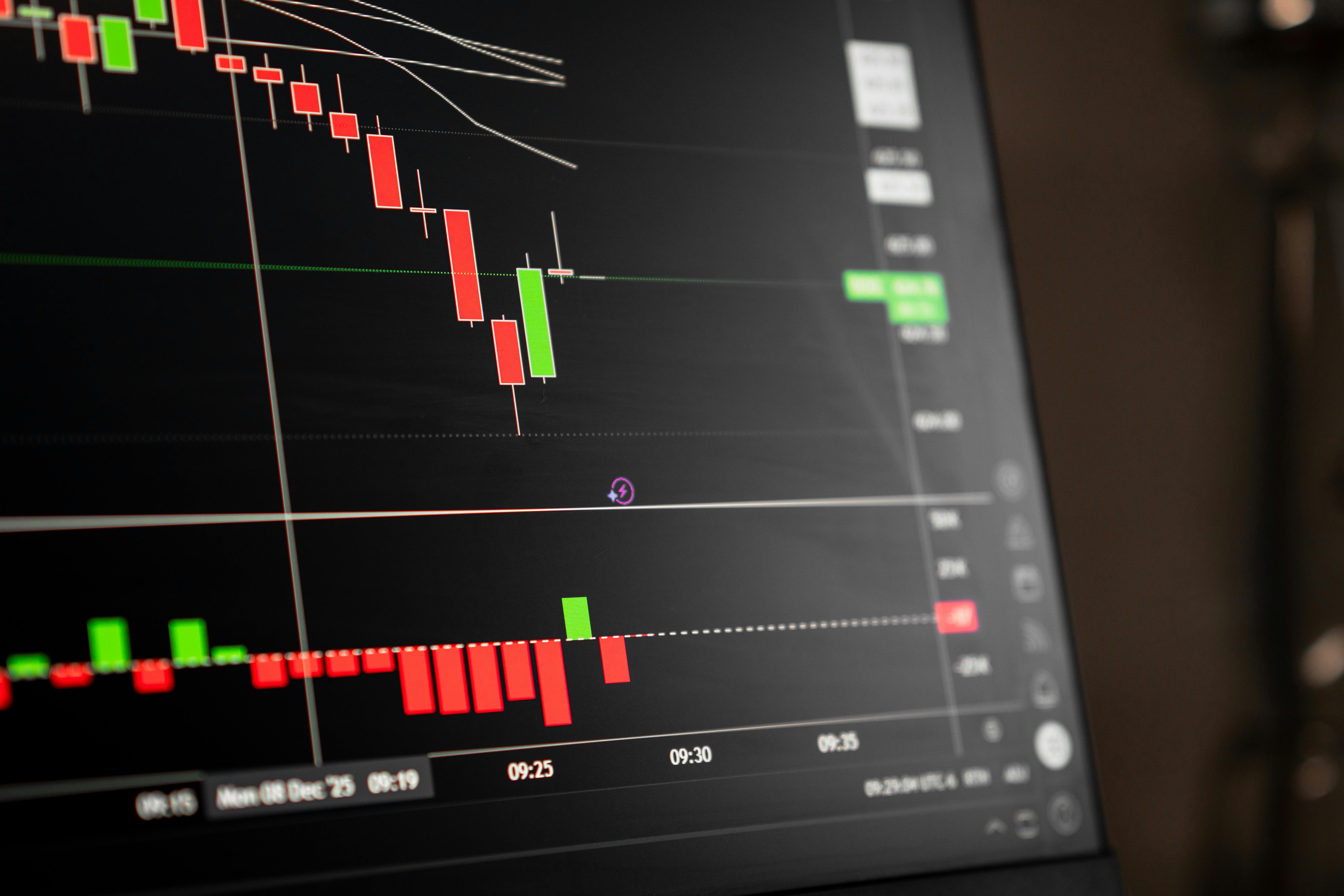
On the other hand, technical analysis focuses on price movements and market behavior. Instead of studying the company’s financials, technical analysts study charts, patterns, and indicators to predict future price movements.
Technical analysis is based on the idea that all available information is already reflected in the stock price. By analyzing past price patterns and trading volume, traders attempt to identify trends and make short-term trading decisions.
Common tools used in technical analysis include support and resistance levels, moving averages, trend lines, and indicators like RSI and MACD. These tools help traders decide when to enter or exit a stock.
Technical analysis is most useful for short-term trading strategies such as intraday trading or swing trading. It helps traders time the market rather than evaluate the business itself.
The key difference between the two approaches lies in their focus. Fundamental analysis looks at the value of a business, while technical analysis looks at price behavior. One is driven by financial data, and the other by market psychology.
Another major difference is the time horizon. Fundamental analysis is typically used for long-term investing, while technical analysis is used for short-term trading. If you don’t have time to constantly monitor charts, technical analysis may not suit you.
So, which one should you use?
The answer depends on your goals. If you are a long-term investor who wants to build wealth steadily, fundamental analysis is the better choice. It helps you identify strong companies that can grow over time.
If you are interested in short-term trading and want to take advantage of price movements, technical analysis is more suitable. It allows you to time entries and exits more precisely.
However, the most effective approach for many investors is to combine both methods. This is often called a hybrid approach.
In a hybrid strategy, you use fundamental analysis to select high-quality stocks and technical analysis to decide when to buy or sell them. For example, you might identify a fundamentally strong company and then use chart patterns to find a good entry point when the price is at support levels.
This combination gives you the best of both worlds. You invest in strong businesses while also improving your timing, which can significantly enhance returns.
It’s also important to understand that no strategy is perfect. Both fundamental and technical analysis have limitations. Fundamental analysis may not account for short-term market sentiment, while technical analysis may ignore the actual value of a business.
That’s why it’s important to stay flexible and continuously learn from your experience.
Beginners often make the mistake of choosing one method blindly without understanding it properly. Instead, start by learning the basics of both approaches. Over time, you’ll naturally discover which one aligns better with your personality and goals.
In conclusion, fundamental analysis and technical analysis are not competitors—they are tools. The right tool depends on how you want to approach the market. Long-term investors should focus on fundamentals, traders should rely more on technicals, and those who want an edge can combine both.
The key is to stay consistent with your strategy and avoid switching approaches based on short-term results.