How the Iran War Is Shaking Global Markets—and Where India Stands Today
The ongoing Iran conflict has quickly become one of the most significant geopolitical events impacting global markets in recent years. From rising oil prices to stock market volatility, the effects are being felt across economies worldwide. For investors, understanding these shifts is critical—not just to avoid risks, but also to identify opportunities.
In this blog, we’ll break down how the Iran war is impacting global markets and where India stands in this evolving situation.
The most immediate and powerful impact of the conflict has been on oil prices. The Middle East plays a crucial role in global energy supply, and any disruption in this region creates shockwaves across the world. With tensions rising, oil prices have surged sharply, increasing costs for transportation, manufacturing, and energy-dependent industries.
This rise in oil prices is not just a commodity issue—it directly feeds into inflation. When fuel costs go up, everything from food prices to logistics becomes more expensive. As a result, countries across the world are now facing renewed inflationary pressure just as many were beginning to stabilize after previous global disruptions.
Higher inflation also creates challenges for central banks. Many economies were expecting interest rate cuts, but the current situation may delay that. If inflation stays high, central banks may be forced to keep interest rates elevated for longer, which can slow down economic growth and reduce liquidity in the markets.
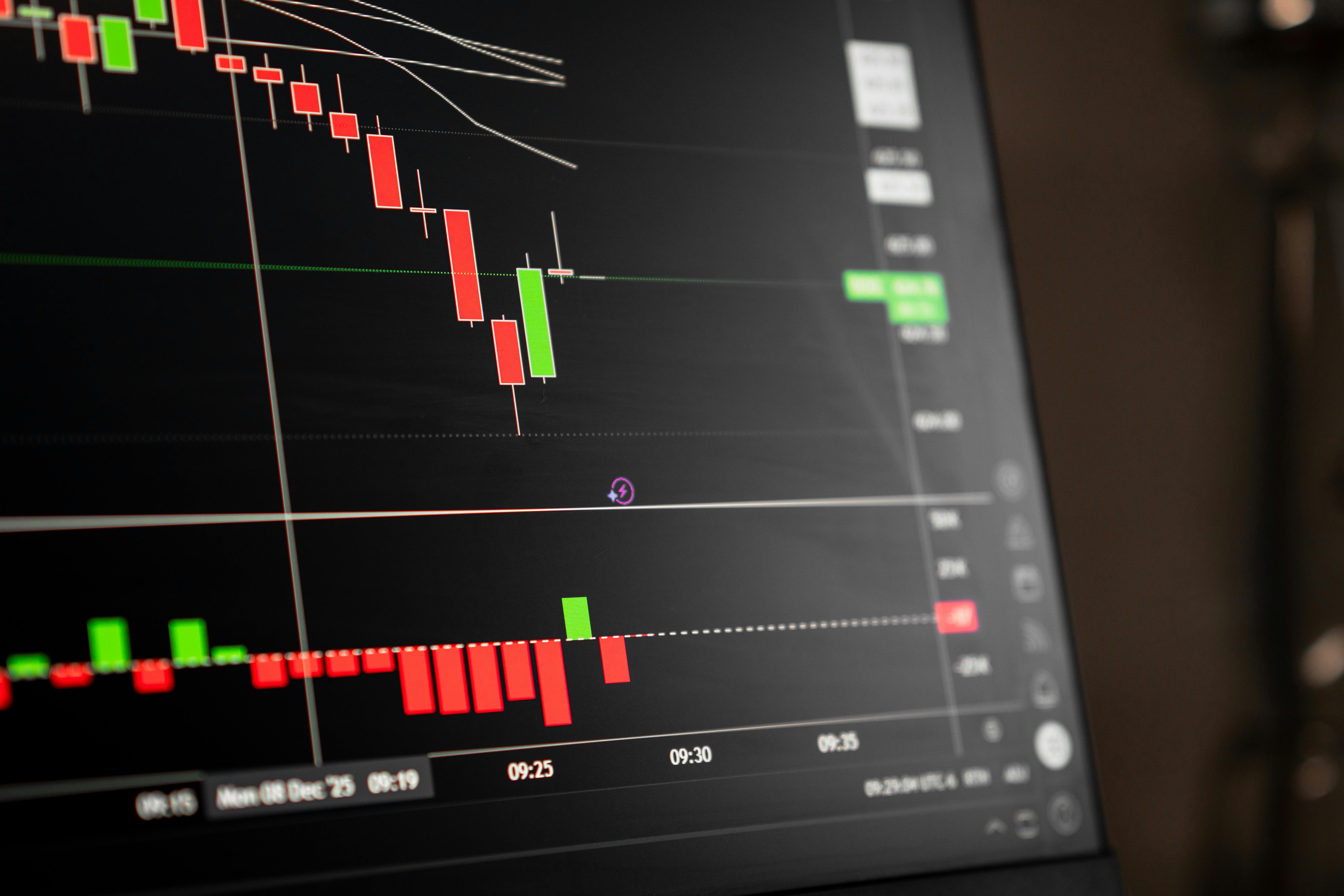
Stock markets globally have responded with caution. Investors tend to move away from risky assets during uncertain times, leading to what is known as a “risk-off” environment. This has resulted in increased volatility across major indices in the US, Europe, and Asia.
However, not all sectors are affected equally. Energy companies and defense-related businesses have benefited from the situation, as higher oil prices and increased defense spending boost their revenues. On the other hand, sectors like aviation, logistics, and manufacturing are facing pressure due to rising input costs.
Another important consequence of the conflict is the strain on global supply chains. Shipping routes, energy flows, and trade dynamics are all being disrupted. This creates additional uncertainty for businesses and investors, especially in emerging markets.
Now, let’s look at India’s position in this global scenario.
India is particularly sensitive to rising oil prices because it imports a large majority of its crude oil requirements. This makes the country vulnerable to both price increases and supply disruptions. When oil prices rise, India’s import bill increases significantly, putting pressure on the economy.
One of the first visible impacts is on inflation. Higher fuel costs translate into higher prices for goods and services across the economy. This can reduce consumer spending and slow down overall economic growth.
The Indian rupee is also affected in such situations. As oil imports become more expensive, demand for foreign currency increases, which can weaken the rupee. At the same time, global uncertainty often leads foreign investors to pull money out of emerging markets, adding further pressure.
Corporate earnings in India are also at risk. Many sectors depend heavily on energy or raw materials. Rising costs can reduce profit margins, especially for industries like aviation, paints, chemicals, and FMCG. Even companies with strong demand may struggle if their costs increase significantly.
The stock market reflects these concerns. While India remains a strong long-term growth story, short-term volatility has increased due to global uncertainty and rising oil prices. Investors are becoming more cautious, and sectors linked to consumption and transportation are under pressure.
However, it’s not all negative. Some sectors in India can benefit from this situation. Oil exploration companies and certain energy businesses may see improved revenues due to higher crude prices. Additionally, companies with strong pricing power may be able to pass on increased costs to consumers.
From an investor’s perspective, the current situation highlights the importance of diversification and risk management. Markets driven by geopolitical events can be unpredictable, and reacting emotionally can lead to poor decisions.
Instead of trying to time the market, it’s better to focus on fundamentals and long-term trends. India’s structural growth story—driven by consumption, digitalization, and infrastructure—remains intact despite short-term challenges.
Looking ahead, the key factor to watch is how long the conflict lasts. If tensions ease quickly, markets may stabilize and recover. However, if the conflict continues or escalates, we could see prolonged volatility, higher inflation, and slower global growth.
In conclusion, the Iran war has created a ripple effect across global markets, primarily through rising oil prices and increased uncertainty. While all economies are affected, India faces unique challenges due to its dependence on imported energy.
For investors, this is a time to stay informed, remain disciplined, and focus on long-term strategies rather than short-term reactions. Market cycles come and go, but those who stay patient and make informed decisions are the ones who benefit in the long run.