
Long-Term Investing vs Swing Trading: Which Strategy Fits You?
When entering the stock market, one of the most important decisions you’ll make is choosing your investing style. Two of the most popular approaches are long-term investing and swing trading. Both can be profitable, but they require very different mindsets, skills, and levels of commitment.
If you pick the wrong strategy for your personality or lifestyle, it can lead to frustration and losses. In this guide, we’ll break down both approaches in a simple way so you can decide which one fits you best.
Long-term investing is exactly what it sounds like—buying stocks and holding them for several years. The goal is to benefit from the company’s growth and the power of compounding over time. Investors who follow this strategy focus on strong businesses with good fundamentals, such as consistent revenue growth, high profitability, and a solid competitive advantage.
In long-term investing, short-term price fluctuations are largely ignored. Instead of worrying about daily market movements, investors focus on the bigger picture. The idea is simple: if the company grows, the stock price will eventually follow.
One of the biggest advantages of long-term investing is that it requires less time and effort once your research is done. You don’t need to constantly monitor the market or track price movements every day. This makes it ideal for people who have full-time jobs or other commitments.
Another key benefit is the power of compounding. When you stay invested for a long period, your returns start generating their own returns. Over time, this can lead to significant wealth creation.
Long-term investing is also generally less stressful. Since you’re not reacting to every market movement, you avoid emotional decisions like panic selling or impulsive buying.
However, long-term investing requires patience and discipline. You need to stay invested even during market downturns, which can be difficult for beginners. It also requires a strong understanding of fundamental analysis to select the right stocks.
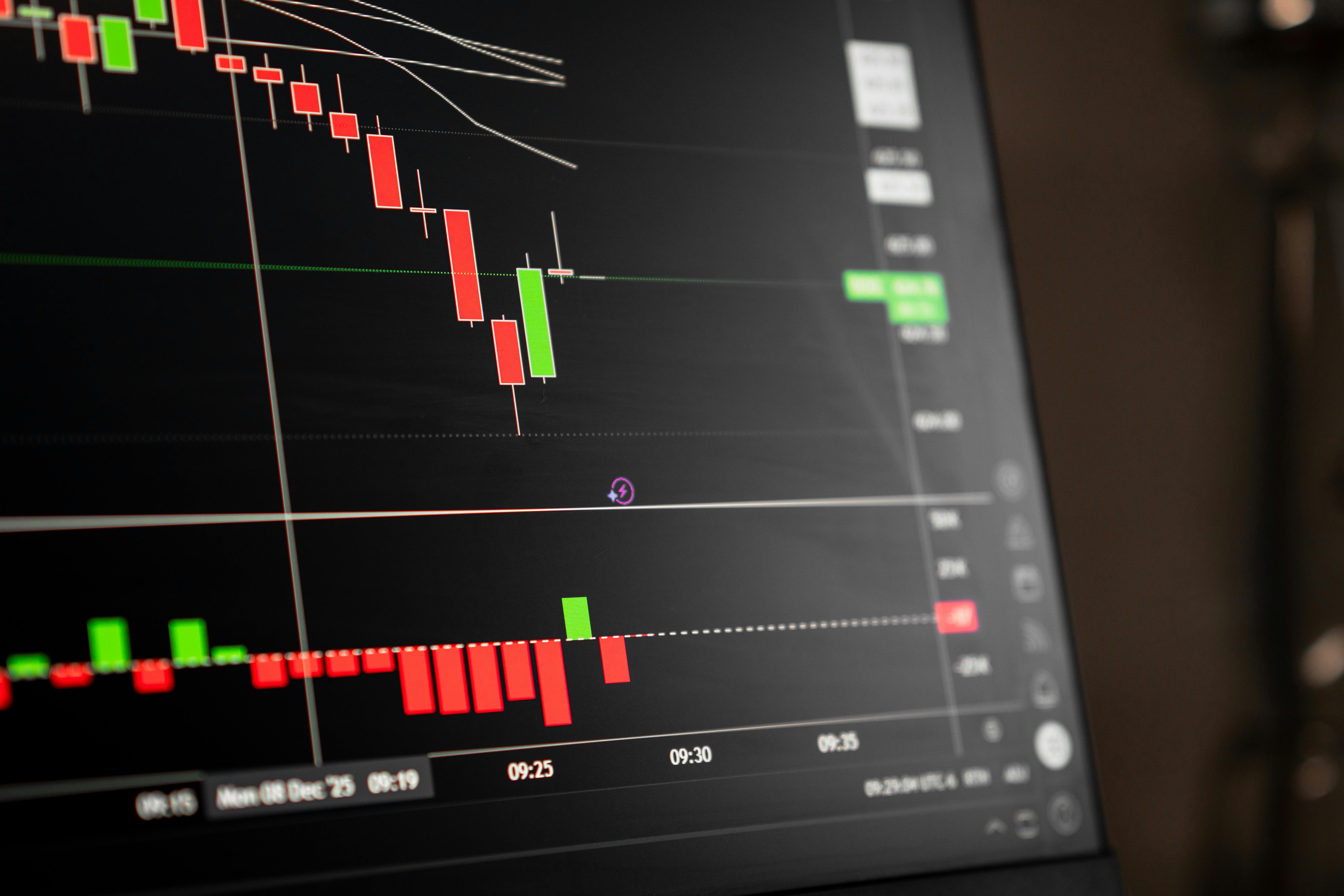
On the other hand, swing trading is a short-term strategy where traders aim to profit from price movements over a few days to a few weeks. Instead of focusing on the company’s fundamentals, swing traders rely on technical analysis—studying charts, patterns, and indicators to predict price movements.
Swing trading is all about timing. Traders look for entry and exit points based on trends, support and resistance levels, and momentum indicators. The goal is to capture small to medium price movements and repeat the process consistently.
One of the main advantages of swing trading is the potential for quicker returns. Unlike long-term investing, where you may wait years for significant gains, swing trading can generate profits in a shorter time frame.
Swing trading can also be exciting, as it involves active participation in the market. For people who enjoy analyzing charts and making frequent decisions, this approach can be engaging.
However, swing trading comes with its own challenges. It requires constant monitoring of the market, quick decision-making, and a strong understanding of technical analysis. It can also be mentally exhausting, especially during volatile market conditions.
Transaction costs and taxes are another factor to consider. Frequent buying and selling can reduce overall profits due to brokerage fees and short-term capital gains tax.
Emotion plays a bigger role in swing trading as well. Since trades happen quickly, fear and greed can lead to poor decisions if not managed properly.
So, how do you decide which strategy is right for you?
Start by considering your time availability. If you have a busy schedule and cannot track the market regularly, long-term investing is a better fit. If you can dedicate time daily to analyze charts and monitor trades, swing trading may suit you.
Next, think about your personality. If you prefer a calm, patient approach and are comfortable waiting for results, long-term investing is ideal. If you enjoy fast-paced decision-making and can handle short-term volatility, swing trading might be a better match.
Your risk tolerance also matters. Long-term investing generally involves lower risk compared to swing trading, which can be more volatile due to short-term price movements.
It’s also important to consider your knowledge and skills. Long-term investing relies more on understanding businesses and financials, while swing trading requires expertise in technical analysis.
For many investors, the best approach is not choosing one over the other but combining both. You can allocate a portion of your capital to long-term investments and use a smaller portion for swing trading. This allows you to build stable wealth while also taking advantage of short-term opportunities.
In conclusion, both long-term investing and swing trading can be effective strategies when used correctly. The key is to choose the one that aligns with your goals, time commitment, and personality.
There is no universal “best” strategy—only the one that works best for you. The sooner you find your style and stick to it, the better your chances of success in the stock market.